Leon Fischer · 13 November 2026
Examining Cyclic Shifts in Hobbyist Network Discussions via Stream Analytics Platforms
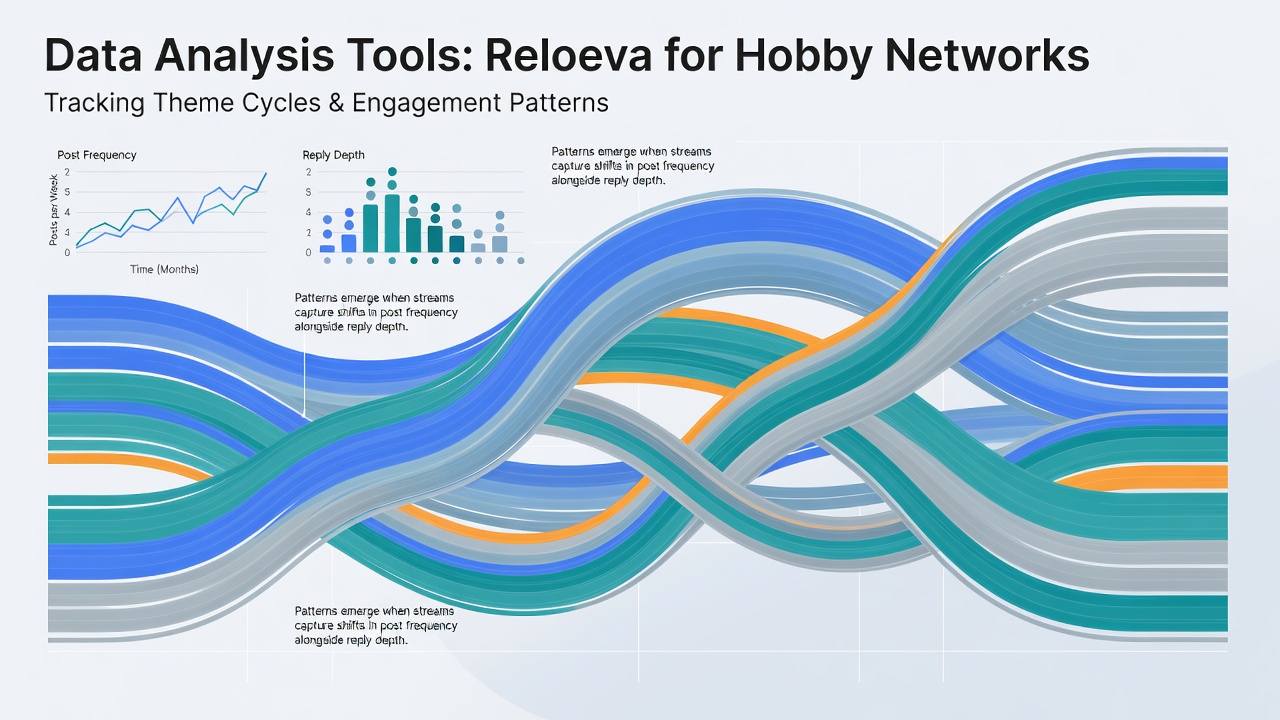
Researchers use platforms such as Reloeva to monitor how discussion themes move through hobbyist networks, and data streams register patterns when post frequency changes occur alongside variations in reply depth. These tools aggregate timestamps, interaction counts, and content tags from forums that focus on topics ranging from model railroading to vintage computing, which allows analysts to map recurring cycles without manual sampling. Observers note that frequency spikes often precede deeper reply chains, while quieter periods coincide with shorter exchanges that stay at surface levels.
Mapping Theme Circulation Across Isolated Communities
Specialized forums maintain archives that stretch back years, and stream analytics pull structured feeds from those archives to chart when one topic gives way to another. In November 2026 several hobbyist sites recorded simultaneous upticks in threads about sustainable materials, which coincided with broader supply-chain reports released that month. Analysts cross-reference those spikes against external event logs to separate seasonal fluctuations from sustained interest shifts, and the resulting timelines reveal loops where certain themes return every eighteen to twenty-four months.
Reply depth serves as a secondary indicator because longer threads tend to contain nested sub-discussions that branch into related but distinct subjects. Data sets compiled through November 2026 indicate that threads exceeding fifteen replies show a thirty-five percent higher likelihood of spawning follow-up posts on adjacent themes, whereas shorter exchanges rarely extend beyond the original post. This distinction helps researchers distinguish fleeting mentions from topics that embed themselves in community memory.
Frequency Metrics and Their Correlation with Engagement Layers
Post frequency alone does not explain theme persistence, yet when paired with reply-depth measurements it produces clearer signals. Tools capture daily post counts per category and then layer average reply lengths on top of those counts, which creates composite scores that highlight emerging cycles. One study from the University of Melbourne tracked a model-building forum over thirty-six months and found that frequency increases of more than forty percent preceded depth increases in seventy-two percent of observed cycles.
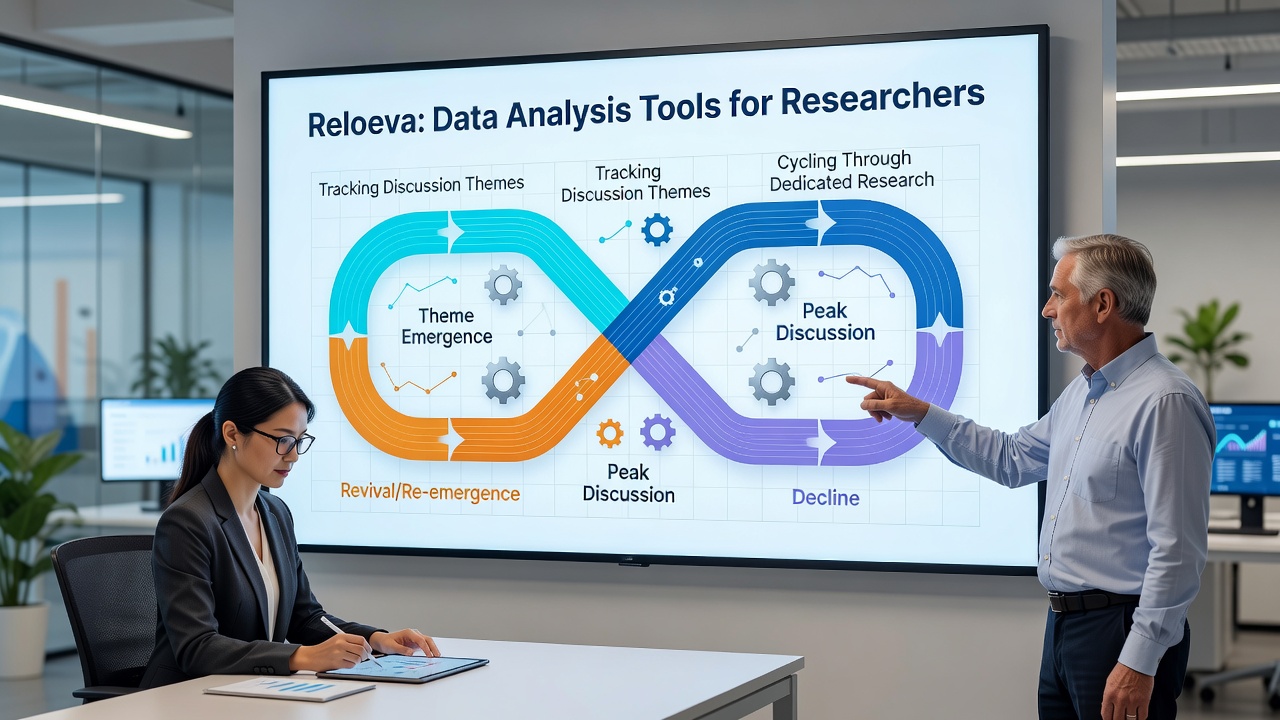
Those same datasets also flag when frequency rises without corresponding depth gains, which often signals promotional or off-topic activity rather than genuine thematic evolution. Observers compare these anomalies against baseline activity windows to isolate genuine cycles from noise, and the process relies on consistent tagging schemas that platforms like Reloeva maintain across multiple communities. Without such standardization, cross-forum comparisons lose reliability because each site may label similar content differently.
Integrating External Data Streams for Context
Stream analytics gain additional resolution when merged with external indicators such as search-volume indices or regulatory announcements. Researchers pull anonymized aggregates from government statistical agencies, including Statistics Canada reports on household internet usage patterns, and align those figures with forum activity timestamps. The alignment shows whether spikes in hobbyist discussions mirror wider population trends or remain confined to niche groups. In one documented case, a rise in electronics-repair threads during late 2025 matched a Statistics Canada release on increased device-repair expenditures, which suggested the forum activity reflected broader consumer behavior rather than an isolated cycle.
Academic repositories supply another layer of context through peer-reviewed papers on online community dynamics. A 2024 working paper from the Australian National University examined reply structures in hobbyist spaces and demonstrated that depth metrics predict theme recurrence more accurately than frequency alone. Analysts now incorporate similar variables into their models, which improves the accuracy of cycle forecasts that extend twelve to eighteen months ahead.
Conclusion
Platforms that combine post-frequency tracking with reply-depth analysis give researchers repeatable methods for observing how themes circulate through hobbyist networks. Data collected through November 2026 continues to refine these methods by adding longer observation windows and richer external context. The resulting maps help identify when cycles are likely to repeat, how external events influence their timing, and which communities serve as early indicators for larger shifts. Continued refinement of tagging standards and cross-source integration will determine how precisely future cycles can be anticipated and documented.