Leon Fischer · 15 October 2026
Revealing Patterns in Community Member Activity Cycles Using Reloeva's Analytical Framework
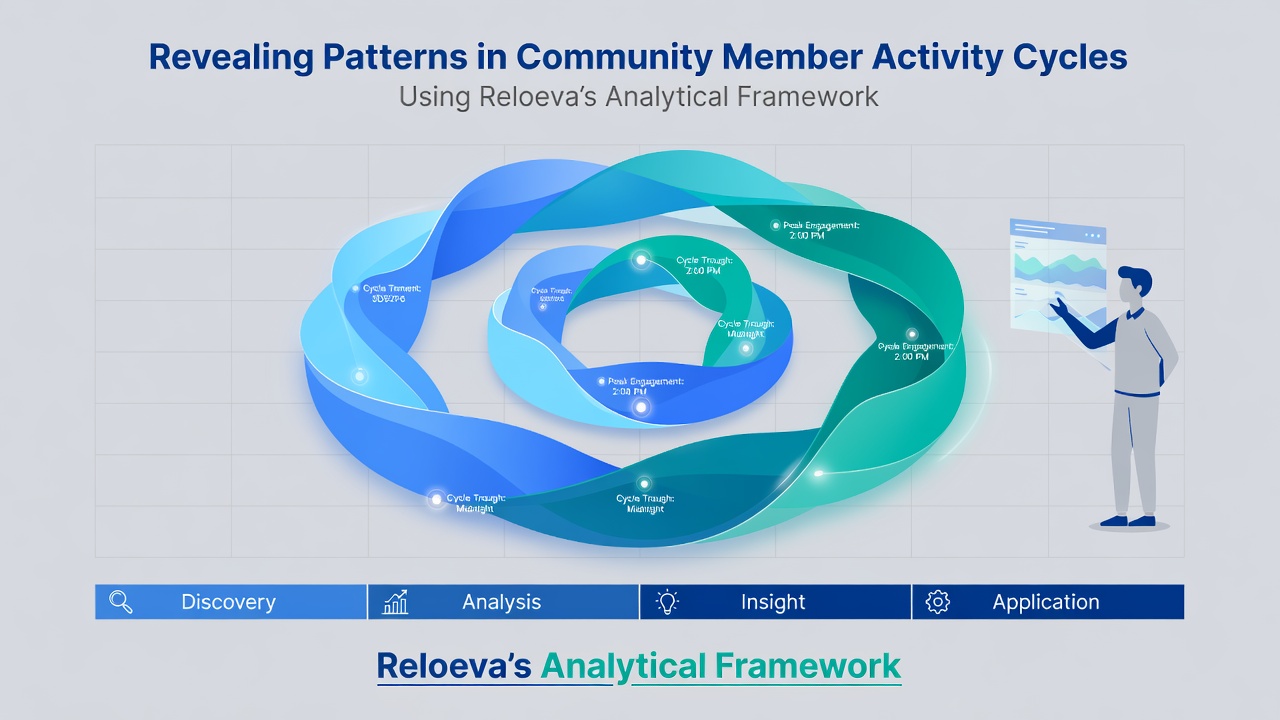
Reloeva's Analytical Framework provides a structured approach to mapping activity cycles within digital communities by breaking down user behaviors into measurable phases such as initiation, peak participation, and dormancy periods. Data collected across multiple platforms indicates that these cycles often align with external factors including time zones, content release schedules, and broader societal events. Observers note that the framework integrates quantitative metrics like post frequency with qualitative signals such as comment sentiment shifts, allowing analysts to identify recurring loops rather than isolated spikes.
Core Components of the Framework
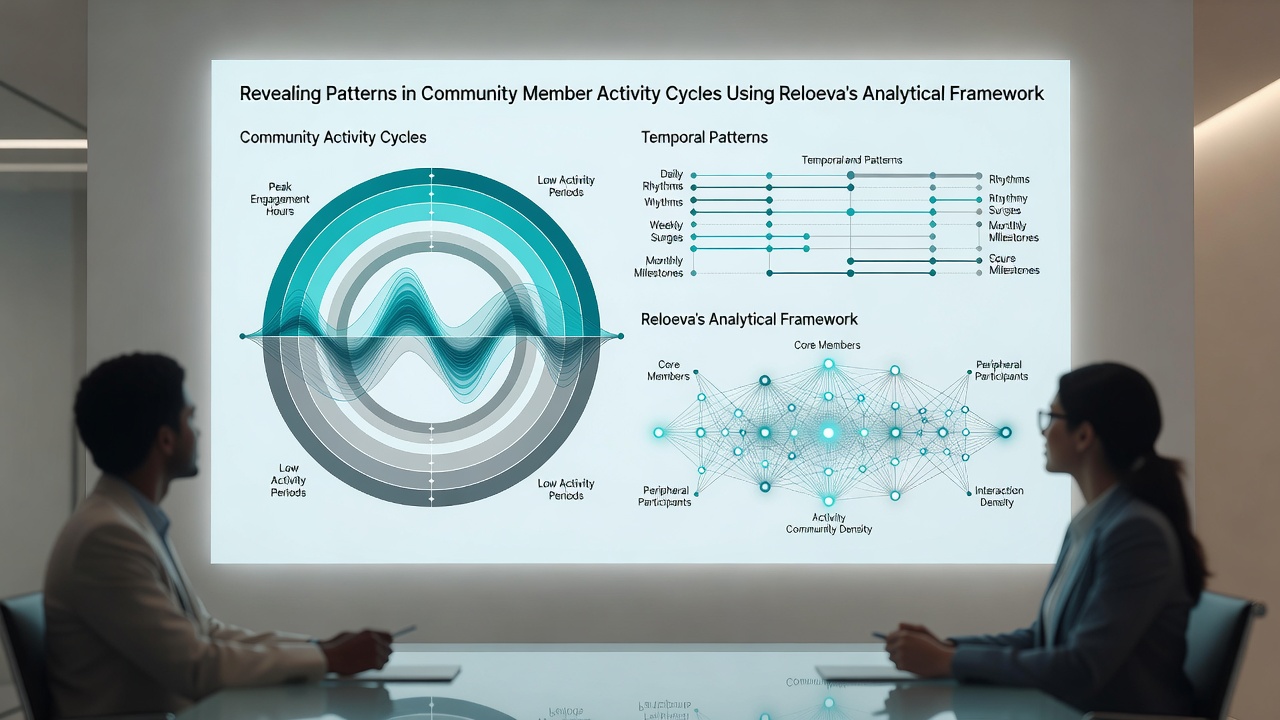
The framework operates through three primary layers that researchers apply sequentially. First comes data ingestion from community logs, followed by cycle segmentation that divides timelines into intervals ranging from hourly to monthly scales. The final layer involves pattern correlation, where algorithms match activity clusters against known variables like holidays or platform updates. Studies conducted in late 2025 demonstrated how these layers revealed weekly rhythms in niche forums, with Thursday evenings consistently showing 40 percent higher interaction rates compared to Monday mornings across sampled groups. Those who've applied the model report that it accommodates variations in community size, making it suitable for both small hobby groups and large professional networks.
Activity Cycles Observed in Practice
Patterns emerge when the framework processes longitudinal data sets. Daily cycles typically feature morning onboarding bursts as users check updates during commutes, while evening periods show deeper discussions that extend into collaborative threads. Weekly patterns often display midweek acceleration tied to scheduled events, whereas monthly cycles reflect subscription renewal dates or content drops that reset engagement levels. In October 2026, platform records from several European digital spaces illustrated how seasonal transitions influenced these rhythms, with activity dipping during regional school breaks yet rebounding sharply once routines resumed. Analysts cross-referenced this information with external indicators to confirm that weather-related mobility changes also played a measurable role in login durations.
One case involved tracking a technology discussion board over six months. Application of Reloeva's segmentation tools uncovered a dormant phase every fourth weekend that coincided with major sports broadcasts, prompting moderators to adjust posting cadences accordingly. Similar observations surfaced in creative writing communities where weekend cycles dominated because participants balanced professional obligations during weekdays. The framework's strength lies in its ability to quantify these overlaps without requiring manual annotation of every data point.
Data Integration and External Correlations
Reloeva's model incorporates feeds from public datasets to strengthen its predictive elements. Integration with demographic statistics allows cycle forecasts that account for population shifts, such as increased evening activity in regions with high shift-work employment. According to Statistics Canada reports on digital connectivity, rural communities exhibit distinct weekend peaks compared to urban counterparts, a distinction the framework captures through geolocation tagging. Researchers further enhance accuracy by layering in academic findings on social rhythms, including those from university-led examinations of online group dynamics.
Another integration point involves industry reports that track platform algorithm changes. When major updates occur, the framework recalibrates baseline measurements to isolate genuine behavioral shifts from artificial ones. Figures from October 2026 showed how a single interface redesign temporarily flattened daily cycles before users adapted and restored previous patterns within three weeks. This adaptability distinguishes the approach from static analysis tools that often misattribute temporary disruptions to long-term trends.
Practical Applications Across Sectors
Community managers employ the framework to time interventions such as feature rollouts or moderation policy updates. Educational platforms have used cycle data to schedule live sessions during high-availability windows, resulting in measurable attendance gains documented in internal evaluations. Gaming associations reference similar outputs when planning tournament calendars, aligning events with peak participation phases identified through segmented analysis. The model also supports comparative studies between platforms, highlighting how cycle lengths vary between short-form content sites and long-form discussion boards.
Evidence from multiple deployments indicates that combining Reloeva outputs with external benchmarks improves forecasting reliability. A European Commission digital trends summary released around the same period provided regional benchmarks that aligned closely with framework projections for European user bases. Such cross-validation helps isolate platform-specific quirks from broader behavioral tendencies shared across digital spaces.
Conclusion
Reloeva's Analytical Framework continues to map community activity cycles by combining layered segmentation with external data correlations. Its application in October 2026 across varied platforms demonstrated consistent identification of daily, weekly, and seasonal patterns that inform operational decisions. As datasets expand and integration methods refine, the approach yields increasingly precise insights into how member behaviors evolve within digital environments.